


Скульптура: види, жанри, матеріали та техніки виконання
Автор:
Матеріал:
Місцезнаходження:
Скульптуру називають мистецтвом, що потребує мужності. Дещо дивне тлумачення, скажете ви. Насправді саме так охарактеризував роботу художника над скульптурою великий Огюст Роден, один із засновників імпресіонізму у скульптурі: «Я беру брилу мармуру та відсікаю від неї все зайве». І це про мужність і стан душі, додав він.
Сучасна монументальна скульптура посідає гідне місце в сьогоднішній комунікації образотворчого мистецтва з філософією світосприйняття, аби потім відтворити все у творі, що має тривимірну форму та враховує особливості матеріалів, із яких виготовляють основні види скульптури.
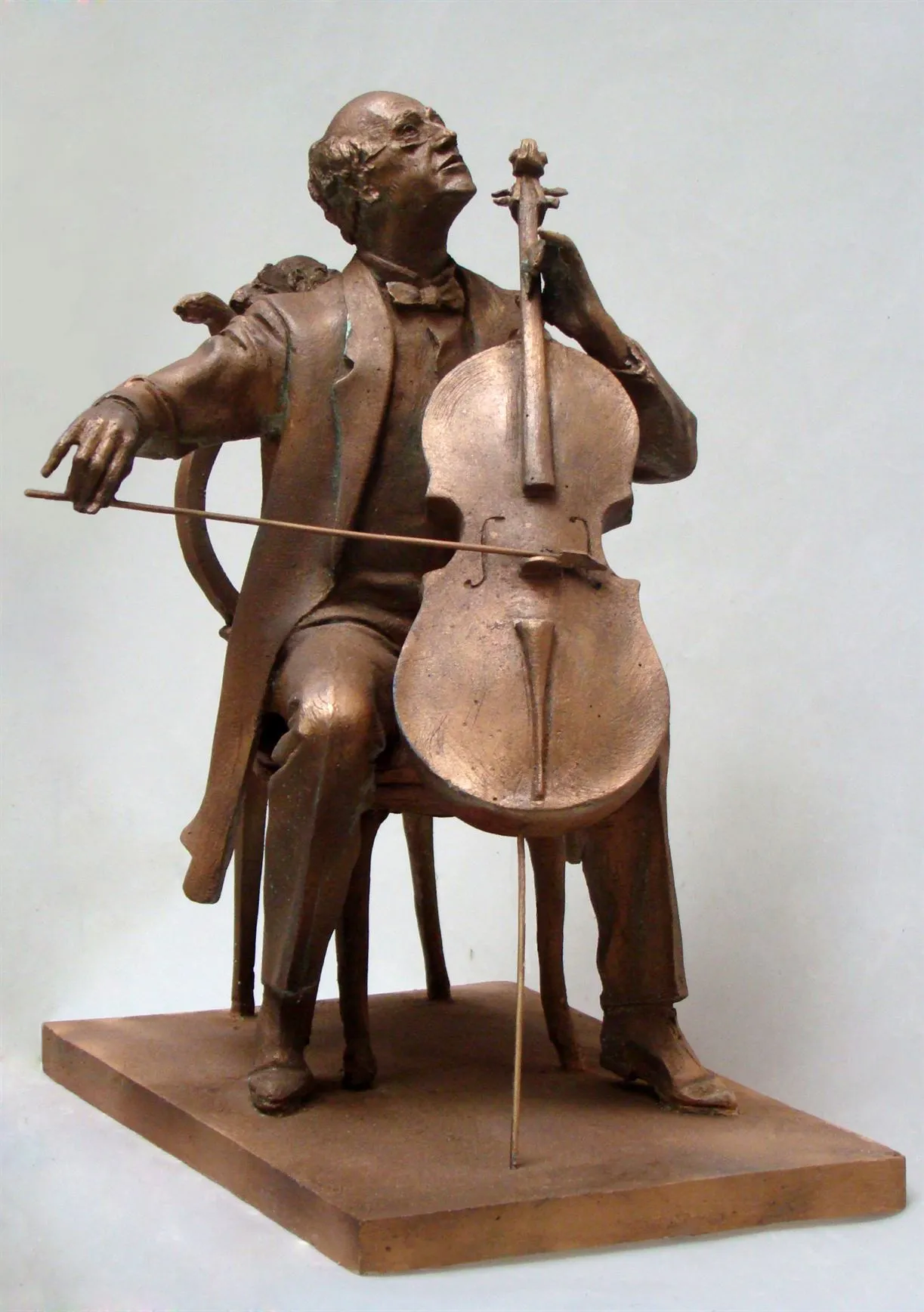
Від витоків до сьогодення
Перші сліди скульптурних зображень з’явилися задовго до нашої ери та були уособленням знань і навичок наших пращурів епохи палеоліту, які прагнули в такий спосіб зберегти пам’ять про членів свого племені. Згодом митці стародавнього світу почали прикрашати скульптурами богів, фараонів, міфічних створінь архітектурні шедеври на кшталт пірамід у Єгипті, рельєфів у Месопотамії та Індії, а в Стародавньому Китаї популярності набуло різьблення по каменю. Такі кам’яні монументи прикрашали будинки та гробниці знаті, засвідчуючи високий статус власників.
Головна форма античної скульптури – статуї людей і богів, що розміщувалися повсюдно: у храмах, на площах полісів і морських узбережжях, у садах і парках. Такі грецькі скульптури відтворювали людські пропорції, ідеалізували людську подобу та поєднували в кам’яних статуях витонченість, емоційний стан і досконалість. Таку саму ідеалізацію людини запозичили й митці Стародавнього Риму, які додали скульптурі ще й ідеологічну складову – велич тогочасної військової влади.
Згодом настали часи Ренесансу з Мікеланджело Буонаротті, класицизму та модерну з Огюстом Роденом, Умберто Боччоні й українцем Олександром Архипенком, який став засновником кубізму у скульптурі. Наразі цей вид мистецтва презентує чимало напрямків, у яких особливе значення мають мінімалізм і геометрія форми, монументальність і чистота ліній, досконала взаємодія з довкіллям.
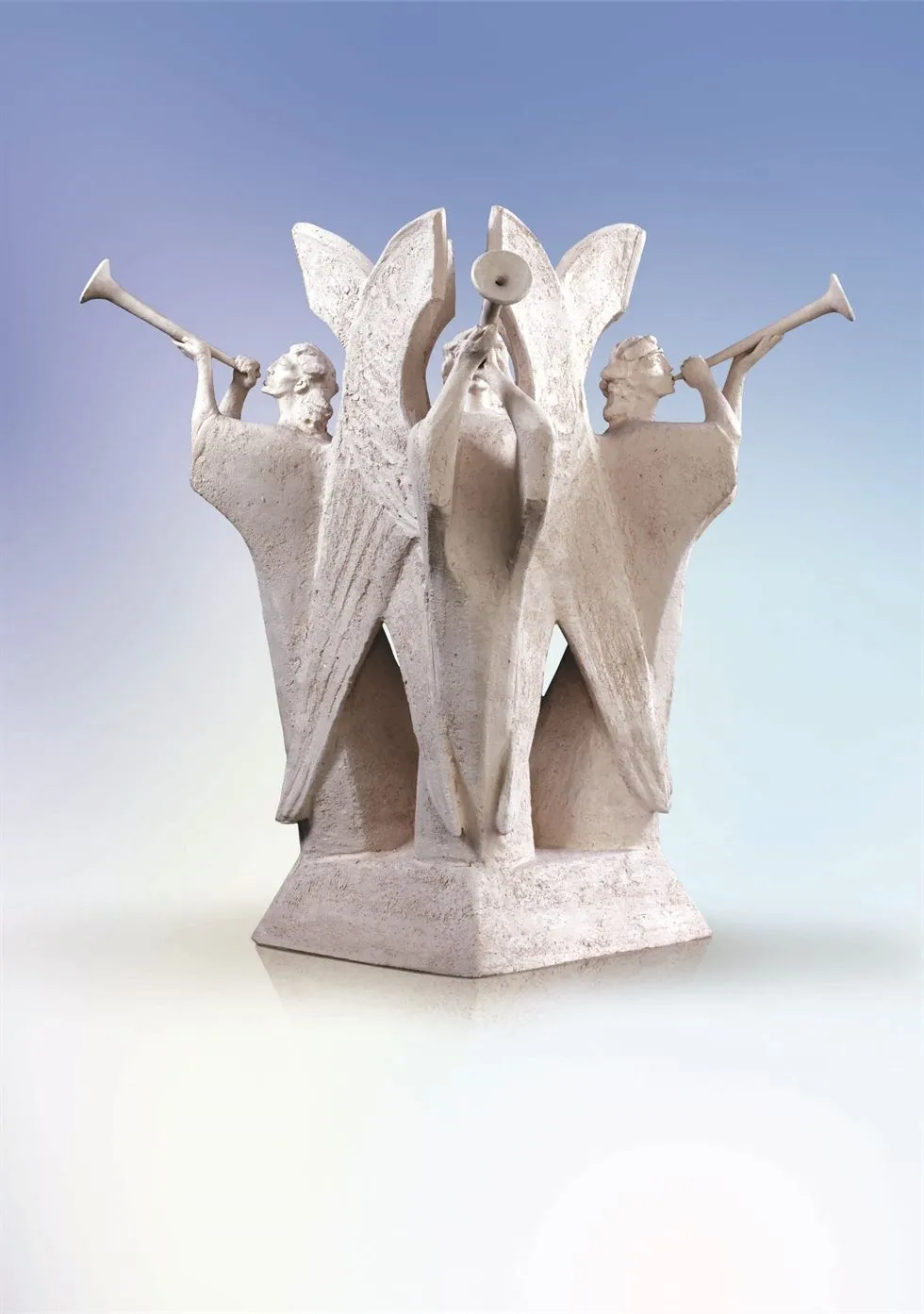
Різновиди скульптури
Класифікація творів різна, проте об’єднує всі види скульптур незамінний компонент – почуття об’єму та принцип дотику й тілесності. Так, за призначенням є такі скульптури:
- монументальна, відзначається зображенням конкретної людини чи групи людей у пам’ятниках і монументах;
- монументально-декоративна, прикрашає ландшафт – паркові та садові скульптури;
- станкова, має невеликі форми, конкретний зміст і переважно розміщується в інтер’єрі чи публічних приміщеннях;
- малі форми, жанри скульптур у такому разі досить різноманітні за тематикою;
- дрібні пластичні форми з напівдорогоцінного каміння, слонової кості, дерева, художнього скла тощо.
За об’ємністю скульптурні твори мають два основні види, проте форми у них відзначаються розмаїттям:
- Кругла скульптура, яку вільно можна оглянути з усіх боків:
- статуя – фігура в повний зріст;
- статуетка – мініатюрна фігурка;
- скульптурна група;
- торс – зображення людського тіла загалом;
- бюст – погруддя людини;
- голова.
- Рельєф – опукле зображення, що розміщується на стіні. Можна побачити лише лицьовий бік. Залежно від місця розміщення поділяються на:
- барельєф – невисока за розміром композиція;
- горельєф – виступає більше ніж половина фігури, що дає змогу розглядати скульптуру з трьох боків;
- контррельєф – рельєф у заглибленні поверхні;
- змішаний рельєф.
Сучасна кругла скульптура ще буває кінетичною, тобто здатною самостійно рухатись. Усі ці форми художник втілює в різних жанрах (анімалізм, портрет, побут, історія, міфологія, натюрморт), коли скульптура на замовлення потрібна в реалістичній, алегоричній чи абстрактній формі.
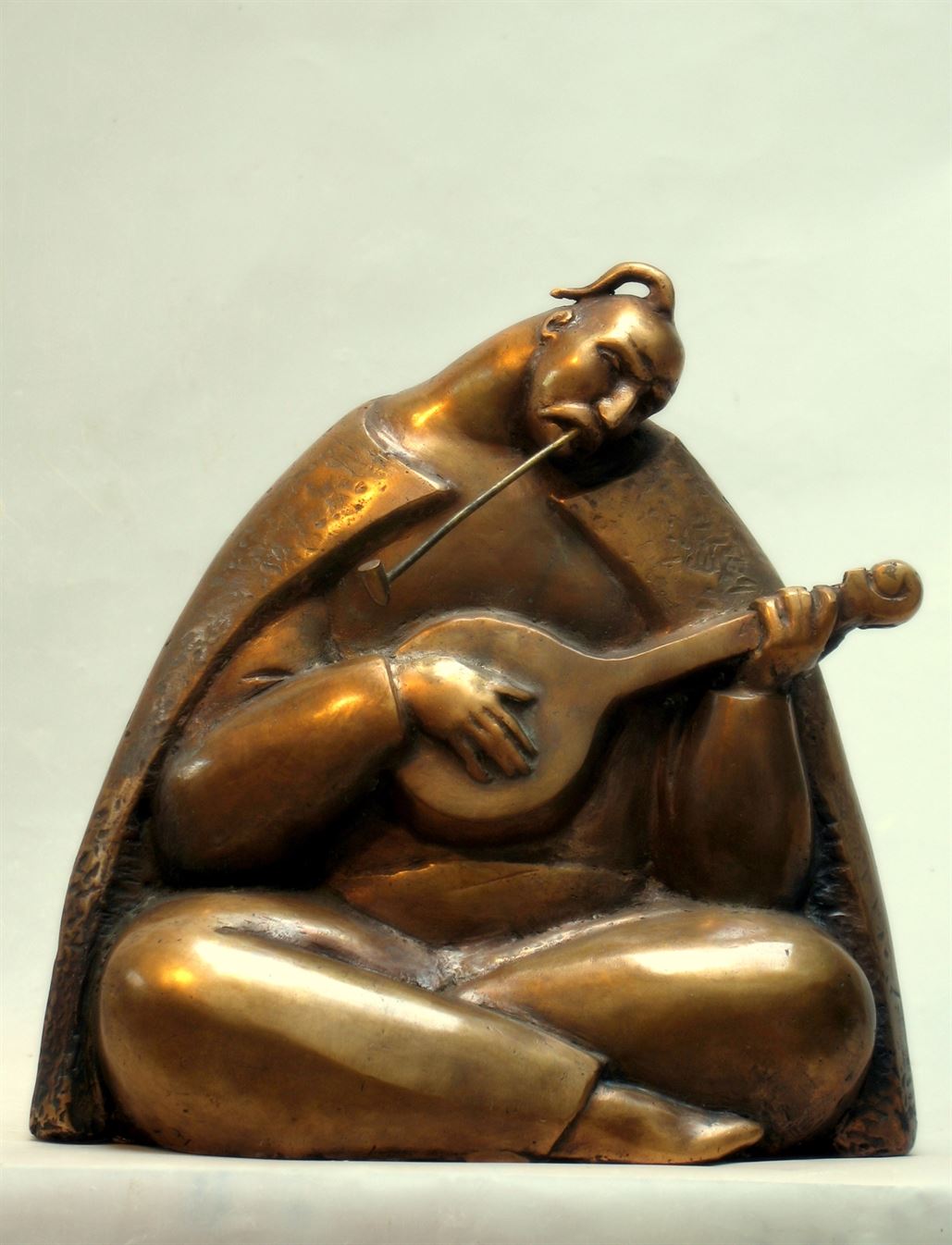
Способи виготовлення скульптури
У скульптури особливі вимоги до деталей і виразності, щоб донести суть образу. Для кожної ідеї потрібен певний матеріал, фізичні властивості та фактура якого точно передадуть задум художника. Саме особливості матеріалу здатні передати зміст скульптури та водночас залишити шанс скласти власне сприйняття. Тож матеріали для скульптури, що створюються способом лиття, ліплення, різьблення, гліптики, – це:
- бронза, придатна для об’ємних композицій просто неба, що передають динамічні форми;
- дерево – теплий і зручний в обробці матеріал, здатний відтворювати будь-яку тему;
- камінь – природний (граніт, мармур) або штучний (декоративний бетон) – добре піддається обробці, довговічний;
- гіпс і глина – характеризуються пластичністю;
- склопластик або полімерні матеріали.
З якого б матеріалу не була виготовлена скульптура, у ній завжди живе душа та особистість її творця. Тому краще за все замовити скульптуру у професійній студії. В Art Sculptor вам гарантовано високохудожній ексклюзивний твір.