Нотатки глядача
У минулому столітті радянські школярі класами ходили в культпоходи. Про завоюваннях старої Європи – толерантності і плюралізм – ніхто не думав. Про тоталітаризм – тим більше. І коли директор школи рекомендував класним керівникам зводити своїх вихованців до кінотеатру- на «Звичайний фашизм» М. Ромма або «Війну і мир» С. Бондарчука, то це сприймалося як установка до дії.
Я це до того, що в виставковому залі «Іжад» представлені роботи скульптора Олексія Леонова. Було б дуже непогано, якби хлопці з Уфи, відірвавшись від чергового американського фільму жахів і чар Міли Йовович, зволили з ними познайомитися. Упевнений: ніхто з них про це не пошкодує.
Леонов … Багате, між іншим, різноманітними талантами прізвище. Леонід Максимович – класик російської літератури, Євген Павлович – великий артист, Олексій Архипович – перша людина, яка зробила вихід у відкритий космос, художник. За дивним збігом, «Іжад» знаходиться на вулиці Космонавтів та скульптора із Києва Леонова також звати Олексій, як і знаменитого космонавта.
Перше враження від виставки: 28-річний скульптор – справжній майстер. Тут потрібно взяти до уваги, що ліпити фігурки з пластиліну він почав у два роки, пізніше здобув грунтовну професійну освіту і зараз працює по 4-16 годин на день. Найчастіше без чорнових начерків, відразу набіло.
У шкільні роки Олексій проявив себе як здібний математик. Він збирався стати фінансистом, оскільки для вступу до престижної Національної академії образотворчого мистецтва і архітектури у нього не було ні грошей, ні потрібних зв’язків. Правда, був талант. Він став у нагоді. Олексій із лишком виправдав покладені на нього надії.
Моральні критерії мистецтва сьогодні в суспільстві розмиті або забуті. Для молодого скульптора вони дуже важливі. Він говорить про те, що приступає до роботи лише в доброму настрої. Щоб зарядити скульптуру доброю енергетикою. Це йому вдається.
Якось Олексій обмовився, що за однією із легенд людина створена із глини. Він теж ліпить своїх героїв із глини: вона чуйно реагує на душевний стан художника-творця. Цей «швидкий» матеріал цілком відповідає його прагненням.
… Кожен художник в міру свого таланту створює свій світ. Усесвіт Олексія Леонова – світ філософів, письменників, святих, яскравих, обдарованих особистостей.
Ерудиція і начитаність київського скульптора викликають повагу. Вони в його роботах. Тут Крішна і Христос, Конфуцій і Платон. При такій всеосяжності важко сказати, якого світогляду, якої віри дотримується сам деміург Леонов.
Олексій із гумором згадує: він був допитливою дитиною, як одного разу перед ним постало питання про існування Бога. Він запитав про це батька – комуніста, матеріаліста за світоглядом. Відповідь була лаконічною: «Літали – не бачили» (Леонов-старший мав на увазі космонавтів).
… Комусь, наприклад, мистецтвознавцю, захотілося визначити своєрідність його творчості відповідним терміном. Термін цей був знайдений у російсько-американського соціолога Питирима Олександровича Сорокіна.
«Молодий автор, – пише невідомий біограф Олексія Леонова, – вибрав непопулярний сьогодні і дуже складний напрямок, назване Питиримом Сорокіним” ідеаціональной мистецтвом “, в основі якого лежить духовний синтез культур і почуттєве сприйняття. Згідно циклічності розвитку, домінанта духовної складової в мистецтві майбутнього однозначна, а значить, з упевненістю можна сказати, що художник випереджає час».
Все просто і категорично. Як двічі два чотири. Тим часом Питирим Сорокін писав, що це «не мистецтво одного професійного художника, а творчість безіменного колективу віруючих, які спілкуються з Богом і зі своєю власною душею». Олексій Леонов на рідкість плідний, але він все-таки не колектив, і про його однодумців серед художників ми мало що знаємо.
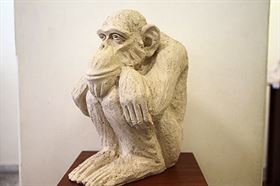
Зате тепер по містах України і Росії одночасно з виставками Леонова кочує це визначення Питирима Сорокіна. Журналісти тут же взяли його напрокат і розтиражували. Творчість художників дуже часто виривається за межі відведеного їм вченими мужами напрямки. Те ж саме відбувається і з майстром із Києва. Територія його задумів і втілень цікавіша і багатша, ніж передбачає ідеаціональний канон. Хіба вписується в цей канон віртуозно виліплена мавпа (ця робота названа з підтекстом та іронією «Мислитель») або Сен Жермен – яскрава особистість з задатками авантюриста? (Його згадує в опері Чайковського «Пікова дама» у своїй знаменитій арії Томський.)
Переступивши поріг виставкового залу і побіжно ознайомившись з його експонатами, спочатку вирішуєш: Олексій Леонов – консерватор. У наші дні в мистецтві правлять бал епатаж, шок, арт-групи, концептуалісти … В українському Бердянську встановлено пам’ятник жабі (символ жадібності), в Одесі – стільця (за романом Ільфа і Петрова), в Москві – плавленому сирку «Дружба». Захід, зрозуміло, і тут нас перевершив.
Зачепити глядача за будь-яку ціну – таке завдання ставлять перед собою багато художників. Один скульптор здирає з людини плоть і показує нам скелет у різних ситуаціях. Інший ліпить із тіста їстівні голови. Третій відтворює міське звалище. Ось воно – сучасне, актуальне мистецтво. Олексій Леонов зі своїми святими, філософами, героями міфів, – звичайно ж, консерватор.
А може бути, він – авангардист? Коли на величезному просторі, зайнятому напористими виробниками кітчу, різних інсталяцій і перформансів, з’являється художник, який відтворює образи титанів духу, прокладає мости з глибин далекого минулого в XXI століття, в завтрашній день, він – авангардист.
… У 1920 році, виступаючи на третьому комсомольському з’їзді, Володимир Ілліч Ленін закликав молодих людей збагачувати «свою пам’ять знанням всіх багатств, які напрацювало людство». Слушна, завжди актуальний рада. Скористатися ним зуміли, на жаль, далеко не всі.
Відносини з історією, культурою та спадщиною минулого у нас складні, простіше кажучи, ніякі. Екскурсовод-поводир на цій виставці – людина не зайва.
Втім, виринути з суєтності повсякденного буття і зануритися, хоча б на годину, в світ гармонії і краси, не знаючи, хто така Леда або хто викрав Європу, – це теж добре. Навіть недосвідчений глядач легко зрозуміє, що роботи Леонова – це високе мистецтво, вони не ображають очей. Їх вплив на глядача благотворний.
У скульптора досить багато запозичень, композицій, створених за мотивами відомих картин. Втративши первородство, вони, очевидно, сприймаються не так гостро і свіжо, як оригінали. Але скульптор Леонов йде на це свідомо: йому важливо висловитися на задану тему.
З особливою пристрастю ми розглядали цикл робіт, які закарбували Сергія Радонезького (в миру Варфоломій), тому що одна з найзнаменитіших картин, пов’язаних з його ім’ям, належить нашому земляку М. Нестерову. Це «Марення юнака Варфоломія».
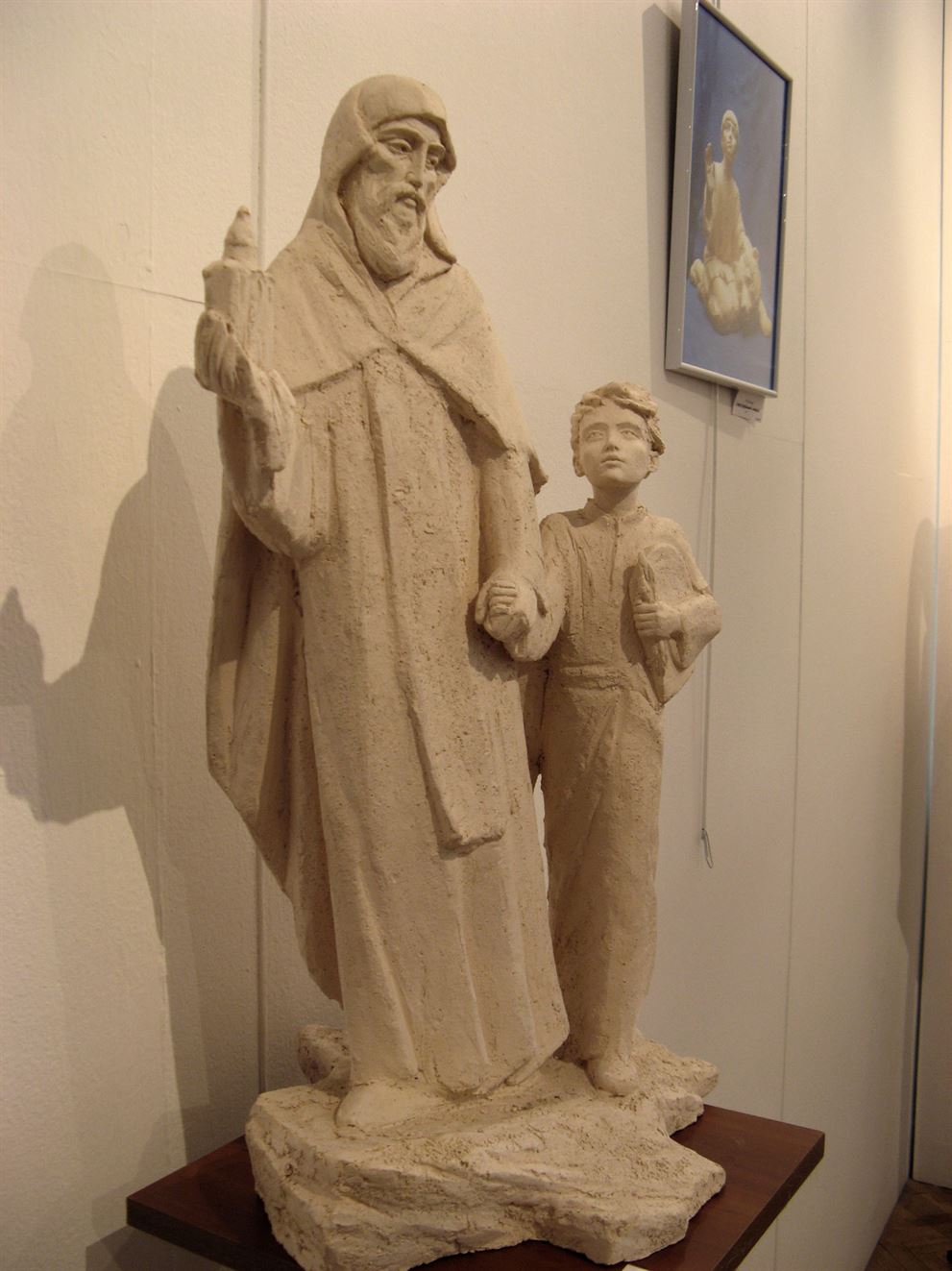
Сергій Радонезький Олексія Леонова різний: не від світу цього, умиротворений, зосереджений, мудрий. Більш за інших врізається в пам’ять «Св. Сергій Радонезький, котрий веде Андрія Рубльова ». Ця скульптура символічна і багатозначна, її треба бачити.
Греки та італійці Леонова, на мій погляд, холоднуваті, за винятком, може бути, пронизливого Леонардо да Вінчі і Мікеланджело, художника – мислителя – поета, захопленого в хвилину напружених роздумів.
Східні мудреці – колоритні, привертають екзотикою.
Здається, що скульптура, народжені знаннями і майстерністю художника, виглядають таким, як епічний «Боян» і експресивний «Молодий Тарас Шевченко». Тут відчуваються справжність, рідна земля: музика, жива мова, культура побуту – все близьке, знайоме, засвоєне ще в дитинстві з молоком матері.
Чудові алегорії. У них, здається, з найбільшою рельєфністю проявляється автор. У обпаленої глини (шамот) зберігається, не встигаючи охолонути, його чуттєвий порив, помітні сліди осяяння.
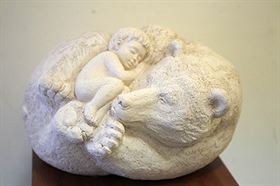
Дивно прекрасна «Ідилія» – зворушливе єднання живої природи (ведмедиця-мати) з людським дитям. У цій глибокій і масштабній за своєю суттю (а не за розміром) скульптурі Олексій Леонов висловився найбільш повно і відверто.
Спасибі башкирському відділенню міжнародної громадської організації «Ліга захисту культури» і виставковому залу «Іжад» за те, що вони познайомили нас із творчістю цього майстра. Виставка його робіт залишиться в Уфі до кінця жовтня.
Юрій КОВАЛЬ
29.09.2010